


- Experiences
-

- Experiences
-
- Experiences
-

- Experiences
-
- Optional
-
- Experiences
-
- Unique Experiences
- Unique Experiences

Camí del Coll d'Ares, s/n25691 Àger, Lleida
View on google mapsSegueix-nos
Enllaços als perfils del Parc Astronòmic a Facebook, X, Instagram i YouTube.

WHAT ARE YOU GOING TO SEARCH?
Viewing the Solar eclipse safely: how to enjoy the phenomenon of the century without harming your eyesight
- 21 July, 2026
- Cultura
By Salvador J. Ribas
The total solar eclipse on August 12, 2026, will spark unprecedented fascination in our country. As leaders in astronomical excellence, we at the Montsec Astronomical Park (PAM) want everyone to be able to witness this extraordinary moment in complete safety. Unlike other celestial bodies, the Sun poses a unique challenge: observing it incorrectly can cause irreversible damage. That is why our director, Salvador J. Ribas, explains the key steps to protect our most precious asset: our eyesight.
The silent danger: solar retinopathy
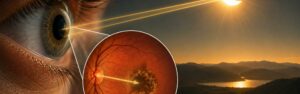
One of the greatest risks of looking at the Sun without proper protection is that the retina has no pain receptors. This means that a person may be causing serious damage without noticing any immediate discomfort; in fact, symptoms—such as permanent spots in the visual field—may appear hours after exposure. During the partial phase, the risk increases because the reduction in light causes the pupil to dilate more than usual, allowing harmful radiation to enter, which can even lead to permanent blindness.
Busting myths: what we should NEVER use
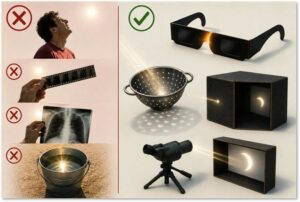
For generations, home remedies have become popular that we now know are extremely dangerous. For safety’s sake, you should completely avoid using:
– Smoked glass or containers filled with water.
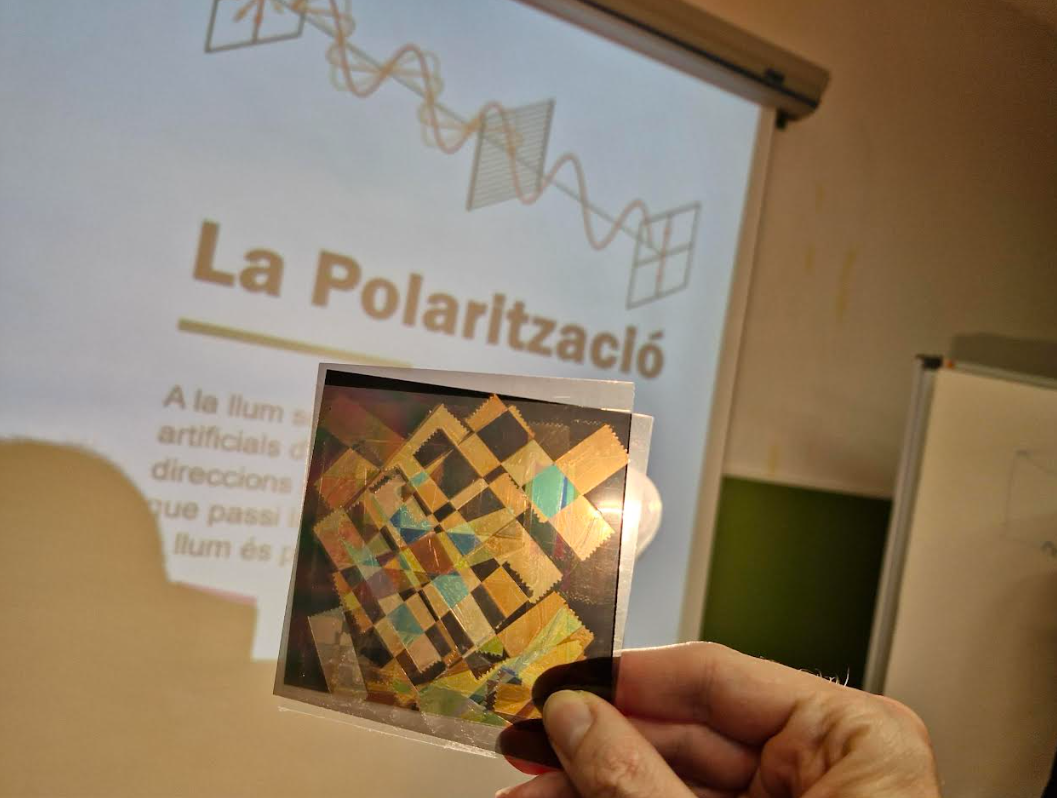
– Photographic negatives or X-rays.
– Welding goggles that are not specifically approved.
These materials can reduce visible glare, but they do not guarantee effective protection against all invisible radiation that damages the eye.
Technology for safe observation
Today, the Astronomical Park serves as a hub of knowledge, providing us with observation methods that are completely safe and accessible. To monitor the phenomenon with a guarantee of excellence, you must use only:
1. Certified solar viewing glasses.
2. Specialized filters for telescopes and binoculars.
3. Indirect projection systems.
The key is to use only materials that are designed and certified for this specific purpose.
The only exception: the whole
August 12 will treat us to a truly epic highlight. During the brief moments of totality, when the Moon completely covers the Sun, the brightness will fade, and that will be the moment to remove your glasses and gaze directly at the solar corona. Reaching this moment after having protected your eyes during the preceding phases is the best way to ensure you can enjoy one of nature’s most beautiful experiences.
tags
Documents
Links of interest
RELATED POSTS
-
- 28 September, 2026
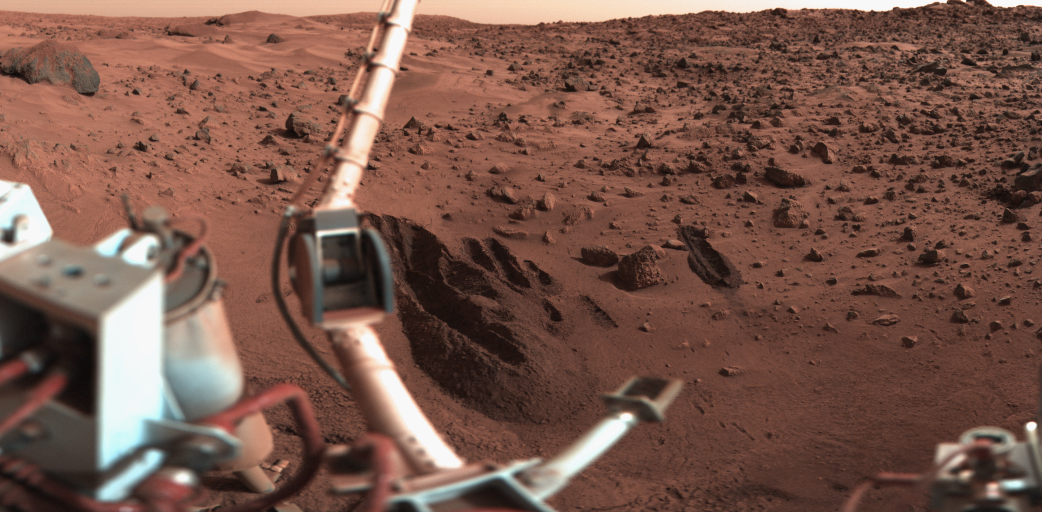
‘Viking to Mars’: a journey back in time to the early days of the search for life on the Red Planet
-
- 17 June, 2026
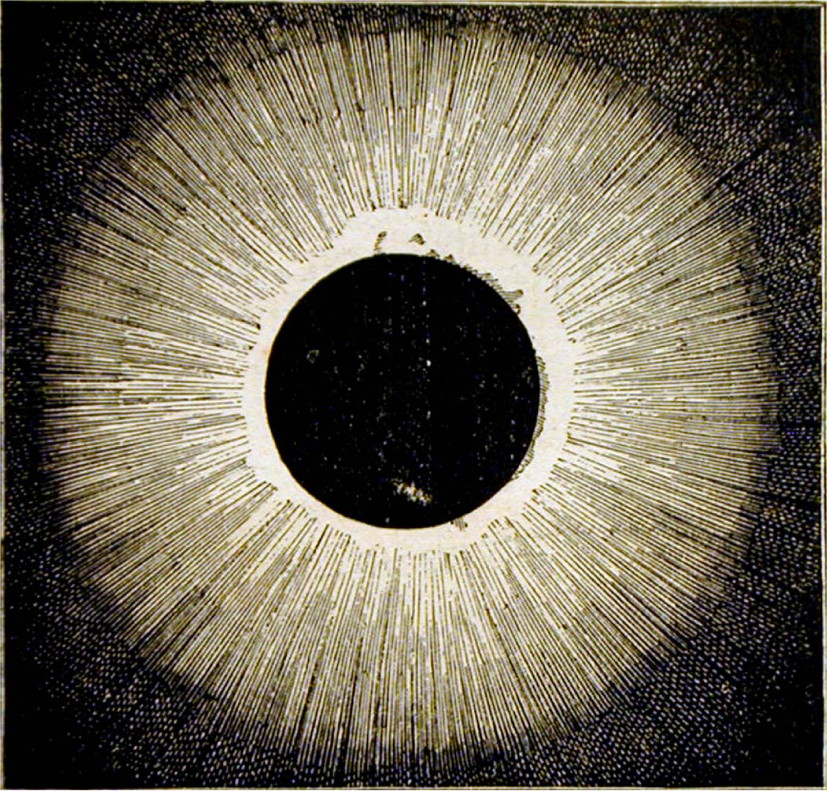
The solar corona: the ethereal mystery that will take center stage during the August 12 eclipse
-
- 22 May, 2026
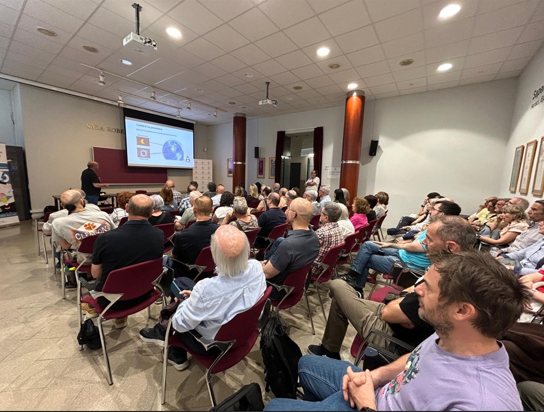
“The Day the Moon Will Hide the Sun”: Salvador J. Ribas brings the great eclipse to the University of Lleida
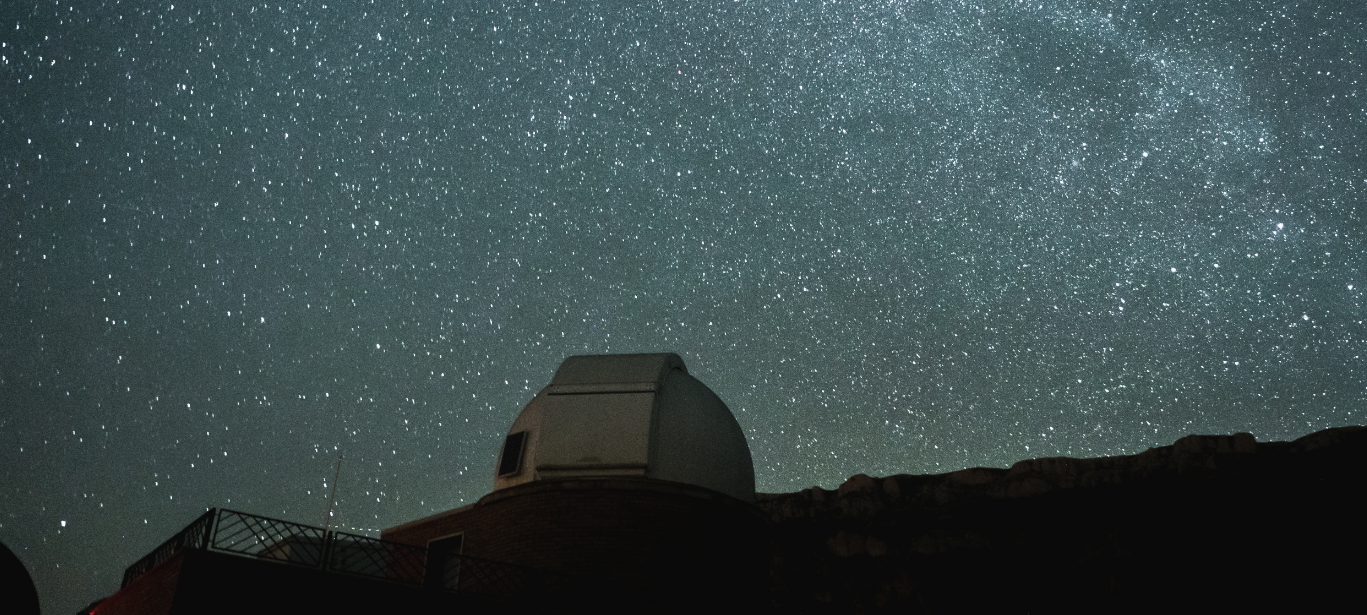
Did you know that the #SerradelMontsec is a declared space Reserve Starlight?
Sponsors











-
Dades predicció meteorològica:
-
Dades observació:
Dades de predicció
- Matí: Sol i núvols alts
- Tarda: Sol i núvols alts
- Màx: 25ºC
- Min: 13ºC
Dades observació
- No hi ha dades d'observacio disponibles
- Temperatura: 18.4ºC
- Humitat: 67%
- Vent: NE 3.2 km/h
- UV: 0.0

Infoparc
Monday 12, October 2026
EXPOSICIONS PERMANENTS
-
Sala
Univers -
Sala
Starlight
EXPOSICIONS
TEMPORALS
-
3CLIPSE