




- Experiences
-

- Experiences
-
- Experiences
-


- Experiences
-
- Experiences
-
- Unique Experiences
- Unique Experiences

Camí del Coll d'Ares, s/n25691 Àger, Lleida
View on google mapsSegueix-nos
Enllaços als perfils del Parc Astronòmic a Facebook, X, Instagram i YouTube.

WHAT ARE YOU GOING TO SEARCH?
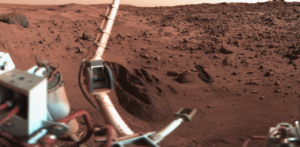
‘Viking to Mars’: a journey back in time to the early days of the search for life on the Red Planet
- 28 September, 2026
- Astronomia
By Salvador J. Ribas
The exploration of space is full of turning points that have redefined human knowledge of the cosmos. One of the most extraordinary milestones in the history of astrobiology and planetary exploration took place in July 1976, when NASA’s Viking 1 spacecraft became the first human-made artefact to land successfully on the surface of Mars and to operate there continuously.
I invite you to look back to understand how these missions marked the beginning of the modern era in the study of the Red Planet, by reviewing the historic impact and legacy of NASA’s Viking missions, which in July 1976 forever changed our view of Mars.
The great challenge of 1976: touching down on the Martian surface
In the mid-1970s, space technology faced a colossal challenge: traversing millions of kilometres of space, entering Mars’s tenuous atmosphere and safely depositing two scientific laboratories on its surface. The Viking 1 and Viking 2 probes (each comprising an orbiter and a lander) not only achieved this historic milestone, but also sent back the first high-resolution photographs of Mars’s desolate, reddish, and fascinating landscape.
The Vikings did not just photograph the landscape: they were equipped with complex biological experiments specifically designed to analyse the Martian soil in search of possible traces or signs of microbial life.
A scientific legacy that lives on with Perseverance and Curiosity
Although the results of the Viking missions’ biological experiments sparked an intense scientific debate that continues to this day, the mission provided fundamental data on the composition of the Martian atmosphere, its meteorology and its geology.
This first step laid the methodological and technological foundations for all subsequent missions, from the Spirit and Opportunity rovers to the current Curiosity and Perseverance missions, which continue to search for ancient evidence of habitability on the Martian surface.
Read the full article here.
tags
Documents
Links of interest
RELATED POSTS
-

- 21 July, 2026
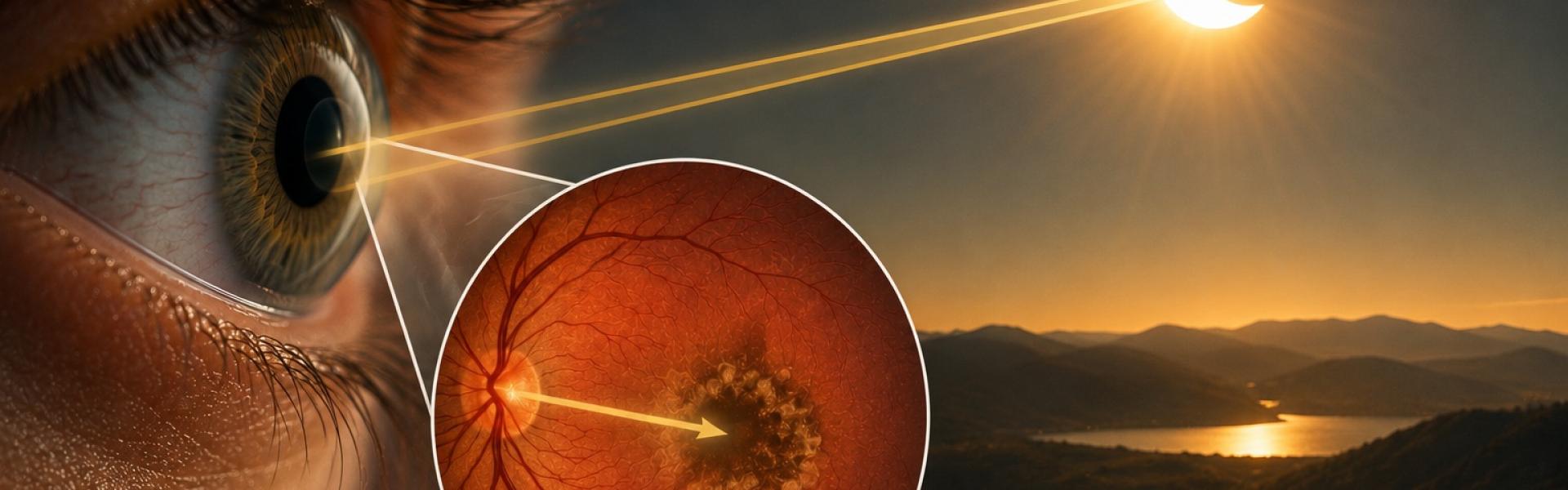
Viewing the Solar eclipse safely: how to enjoy the phenomenon of the century without harming your eyesight
-
- 17 June, 2026
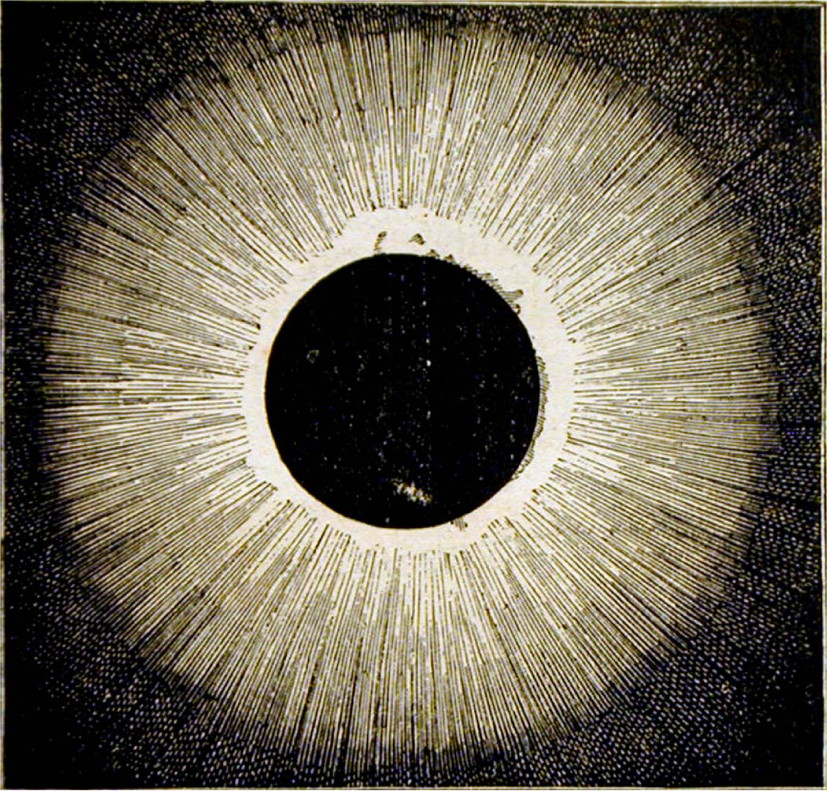
The solar corona: the ethereal mystery that will take center stage during the August 12 eclipse
-
- 22 May, 2026
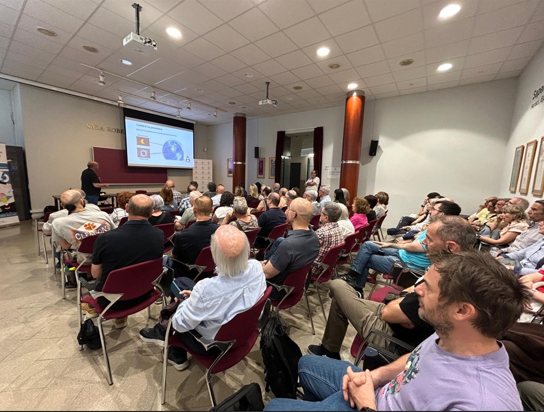
“The Day the Moon Will Hide the Sun”: Salvador J. Ribas brings the great eclipse to the University of Lleida
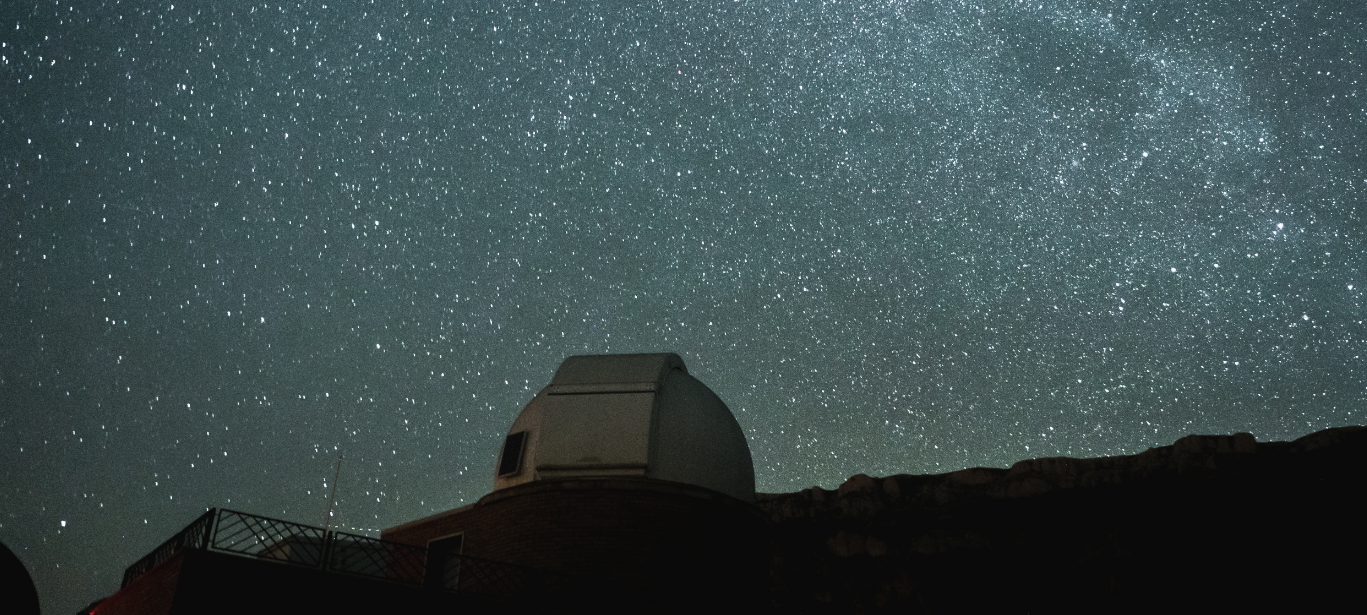
Did you know that the #SerradelMontsec is a declared space Reserve Starlight?
Sponsors











-
Dades predicció meteorològica:

-
Dades observació:

Dades de predicció
- Matí: Entre poc i mig ennuvolat
- Tarda: Sol i núvols alts
- Màx: 20ºC
- Min: 9ºC
Dades observació
- No hi ha dades d'observacio disponibles
- Temperatura: 11.0ºC
- Humitat: 89%
- Vent: W 8.0 km/h
- UV: 0.5
- Radiació Solar: 77 W/m2

Infoparc
Tuesday 20, October 2026
EXPOSICIONS PERMANENTS
-
Sala
Univers -
Sala
Starlight
EXPOSICIONS
TEMPORALS
-
3CLIPSE