


- Experiences
-

- Experiences
-
- Experiences
-

- Experiences
-
- Experiences
-
- Unique Experiences
- Unique Experiences
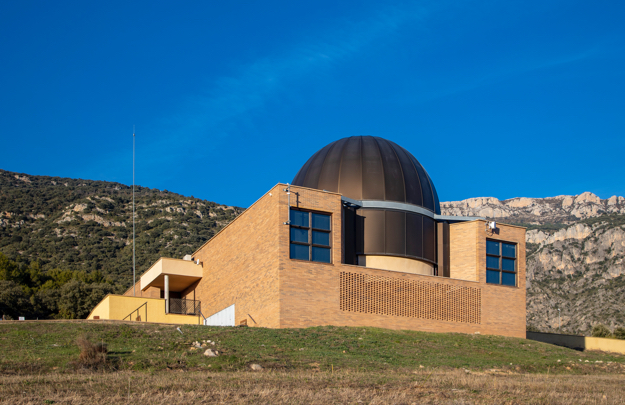

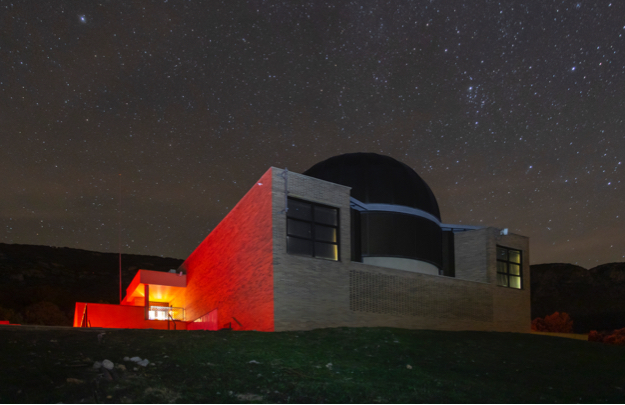
Camí del Coll d'Ares, s/n25691 Àger, Lleida
View on google mapsSegueix-nos
Enllaços als perfils del Parc Astronòmic a Facebook, X, Instagram i YouTube.

WHAT ARE YOU GOING TO SEARCH?
“Leonidas: a meteor shower steeped in history”
- 2 November, 2026
- Astronomia
– Major meteor storms: the origin, history, and behavior of the Leonidas, the meteor shower that occurs in November.
– We look back on the memorable storms of 1833 and 1966, the origin of Comet 55P/Tempel-Tuttle, and the key tips for observing this phenomenon on the night of November 17–18.
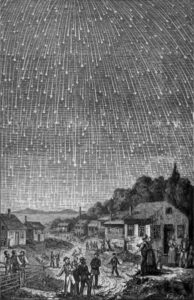
By Salvador J. Ribas
November brings one of the most popular astronomical events of the fall: the Leonid meteor shower. In his latest article on the science outreach platform Divulcat, titled “Leonidas: a meteor shower with a rich history,” the scientific director of the Montsec Astronomical Park, Salvador J. Ribas, takes readers on a journey through time to understand how this phenomenon transformed our understanding of the night sky.
The article reviews key moments in the history of astronomy, such as the early morning of November 13, 1833, when a veritable meteor storm streaked across the sky over eastern North America at a rate of dozens of lights per second—a monumental spectacle that marked the birth of the modern study of meteors. Ribas also recalls the meteor shower of November 17, 1966—the 60th anniversary of which falls this year—when, for twenty minutes, it seemed as though stars were literally “raining down” on the western United States.
Comet 55P/Tempel-Tuttle and the Perspective Effect
The Leonidas are nothing more than tiny dust particles left behind by Comet 55P/Tempel-Tuttle along its orbit. Every year in November, the Earth passes through this trail, and the particles enter the atmosphere at high speed, burning up and creating meteors, or shooting stars.
Since the comet takes 33 years to complete one full orbit around the Sun, in the years following its passage, the amount of dust that Earth intercepts is much higher, giving rise to major meteor showers. Furthermore, the article explains why all these meteors appear to come from a specific point in the constellation Leo (the radiant): a perspective effect similar to that of railroad tracks when they seem to converge on the horizon.
What will the Leonidas be like in 2026?
For 2026, the peak of activity is expected on the night of November 17–18. Although a storm like those of the past is not expected—rather, activity will be more modest, with about 15 meteors per hour under ideal conditions—it is an excellent opportunity to enjoy stargazing.
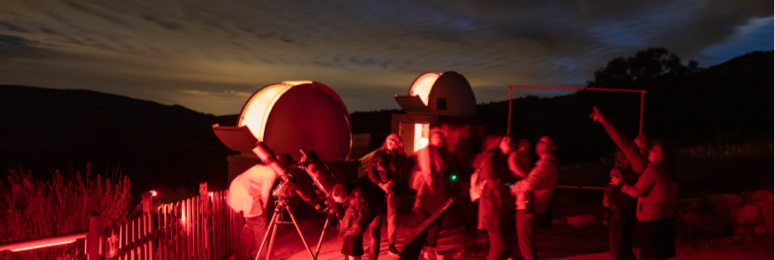
To see them, you don’t need a telescope or any scientific instruments: just find a dark place, dress warmly, be patient, and let your eyes adjust to the darkness.
A precedent in citizen science
A historical curiosity: After the great storm of 1833, Professor Denison Olmsted published an appeal in the newspapers asking readers to send him their observations from various locations. This compilation of data made it possible to compare eyewitness accounts and understand the phenomenon, which is now considered one of the earliest examples of citizen science.
tags
Documents
Links of interest
RELATED POSTS
-
- 28 September, 2026
‘Viking to Mars’: a journey back in time to the early days of the search for life on the Red Planet
-
- 21 July, 2026
Viewing the Solar eclipse safely: how to enjoy the phenomenon of the century without harming your eyesight
-
- 17 June, 2026
The solar corona: the ethereal mystery that will take center stage during the August 12 eclipse
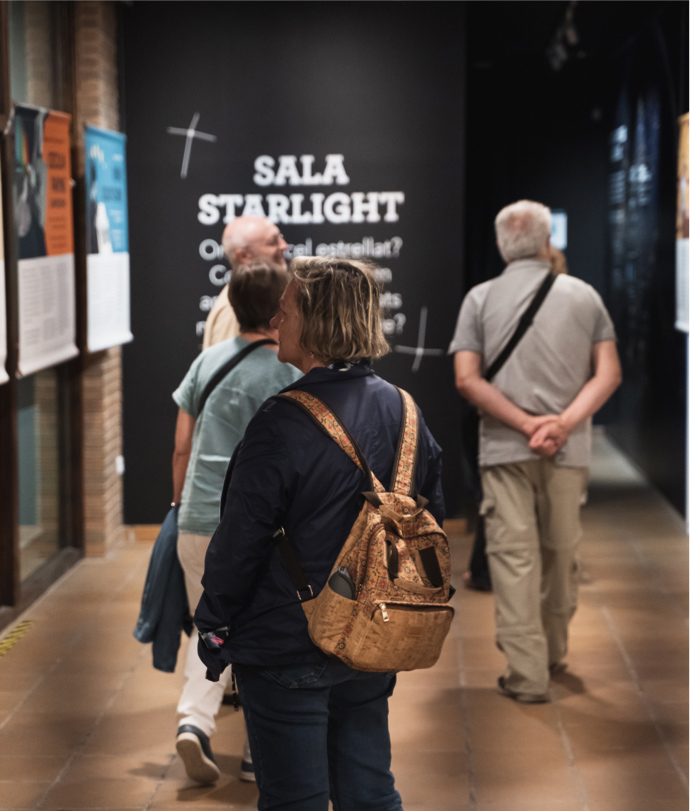
Did you know that the #SerradelMontsec is a declared space Reserve Starlight?
Sponsors








-
Dades predicció meteorològica:
-
Dades observació:

Dades de predicció
- Matí: Entre poc i mig ennuvolat
- Tarda: Entre mig i molt ennuvolat
- Màx: 20ºC
- Min: 10ºC
Dades observació
- No hi ha dades d'observacio disponibles
- Temperatura: 14.4ºC
- Humitat: 81%
- Vent: ESE 8.0 km/h
- UV: 0.9
- Radiació Solar: 204 W/m2

Infoparc
Monday 09, November 2026
EXPOSICIONS PERMANENTS
-
Sala
Univers -
Sala
Starlight
EXPOSICIONS
TEMPORALS
-
3CLIPSE